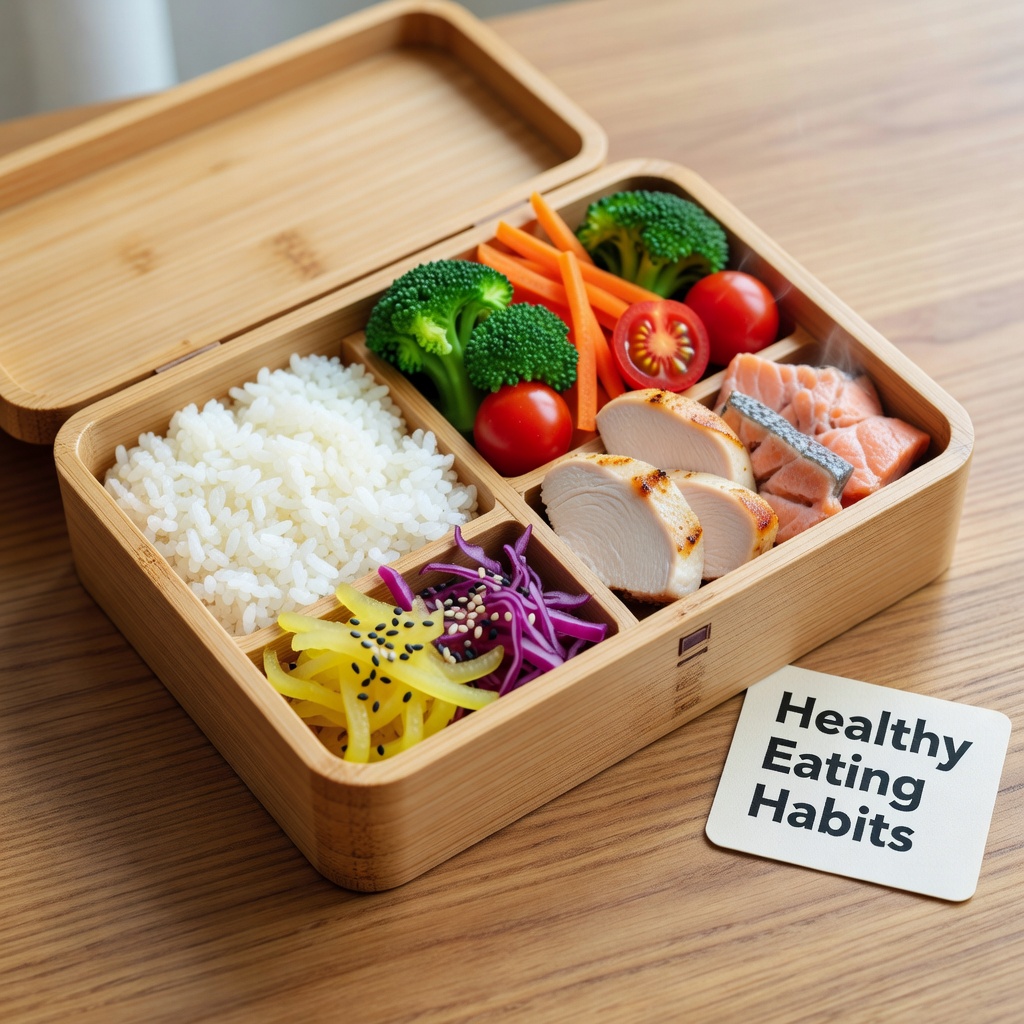
In Japanese, the word shun (旬) refers to the peak season for a particular food — the precise moment when an ingredient is at the height of its flavour, its nutritional value, and its natural abundance. It is a concept deeply embedded in Japanese culinary culture, and it carries implications far beyond the kitchen.
To eat with the seasons is not merely a cooking philosophy. It is a way of staying in conversation with the natural world — of acknowledging that we are part of something larger than ourselves, that the world outside our windows is always changing, and that the wisest response to that change is not to resist it, but to move with it.
"The food on your plate is a letter from the earth. Shun teaches us to read it with gratitude and attention."
The Seasonal Table: A Year in Ingredients
Japanese cuisine is perhaps the world's most sophisticated expression of seasonal cooking. Every season brings its own palette of ingredients, its own distinctive flavours, and its own traditions of preparation:
Spring · 春
Haru no Shun
- Takenoko (bamboo shoots)
- Nanohana (rapeseed blossoms)
- Sansai (mountain vegetables)
- Sakura (cherry blossom) sweets
- Hamaguri clams
Summer · 夏
Natsu no Shun
- Edamame (young soybeans)
- Eel (unagi) for energy
- Myoga (Japanese ginger)
- Shiso and cucumber
- Cold tofu with ginger
Autumn · 秋
Aki no Shun
- Matsutake mushrooms
- Sanma (Pacific saury)
- Kuri (chestnuts)
- Satsumaimo (sweet potato)
- Kabocha squash
Winter · 冬
Fuyu no Shun
- Daikon radish
- Buri (yellowtail)
- Hotate (scallops)
- Oysters
- Nabe (hot pot) vegetables
The Ethics of Eating Seasonally
There is an environmental logic to shun that feels particularly urgent in our current era. Seasonal eating reduces the need for energy-intensive greenhouse cultivation and long-distance transportation. It supports local farmers and fishermen who are working in harmony with natural cycles. And it produces food that is simply better — more flavourful, more nutritious, and more honest.
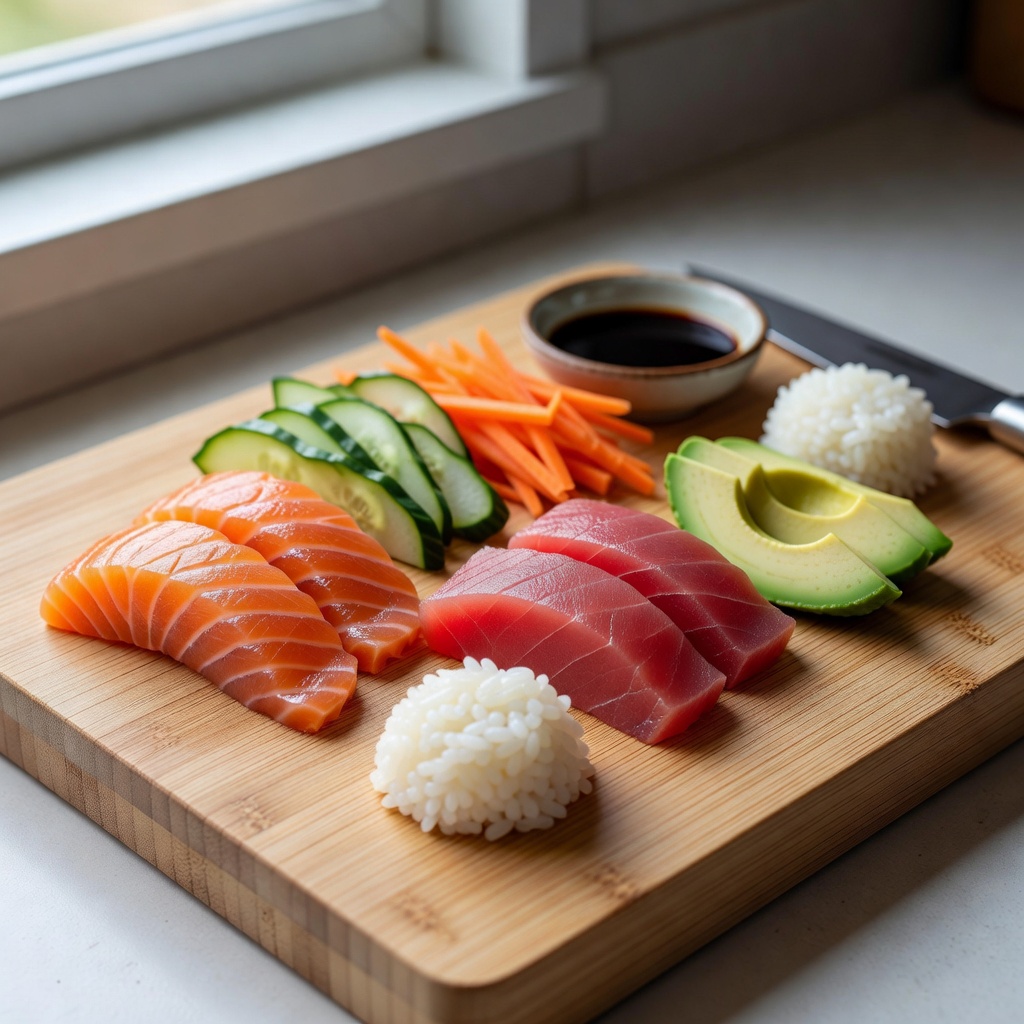
The quality of ingredients at their seasonal peak elevates even the simplest preparation
The Deeper Nourishment
But the benefits of shun extend beyond the physical. When you eat with the seasons, you are brought into regular, conscious contact with the rhythm of the year. You notice when spring asparagus appears and feel something close to joy. You anticipate the first autumn persimmons. You understand, through your body, that time moves and changes and that there is goodness in each phase.
This is a form of nourishment that no supplement can provide: the sense of being rooted in the world, of knowing where you are in time, of feeling the seasons pass through your hands and onto your plate.
Beginning Your Own Shun Practice
- Visit a local market or greengrocer rather than a supermarket, and choose what looks most alive and abundant
- Learn one seasonal recipe per season — a single dish that anchors you to that time of year
- Notice the first appearance of each season's ingredient and receive it as a gift
- Let go of the desire to eat tomatoes in winter or root vegetables in midsummer
- Give thought to the provenance of what you eat: where it was grown, how far it travelled
The shun philosophy does not demand perfection. It asks only that you pay attention — to the land, to the season, and to the food that arrives from their meeting. In doing so, you will find that each meal becomes not just sustenance, but a small act of gratitude.